What Does a Balanced Plate Actually Mean?
Published February 2026 | Educational Article
The Concept
A balanced plate is a visual guide representing the proportions of different food groups in a meal. The basic concept divides a standard plate into sections:
- Approximately 50% vegetables and fruits – providing vitamins, minerals, and fibre
- Approximately 25% whole grains or carbohydrate sources – providing energy and B vitamins
- Approximately 25% protein sources – supporting muscle and tissue function
- Healthy fats in moderation – supporting nutrient absorption and cellular function
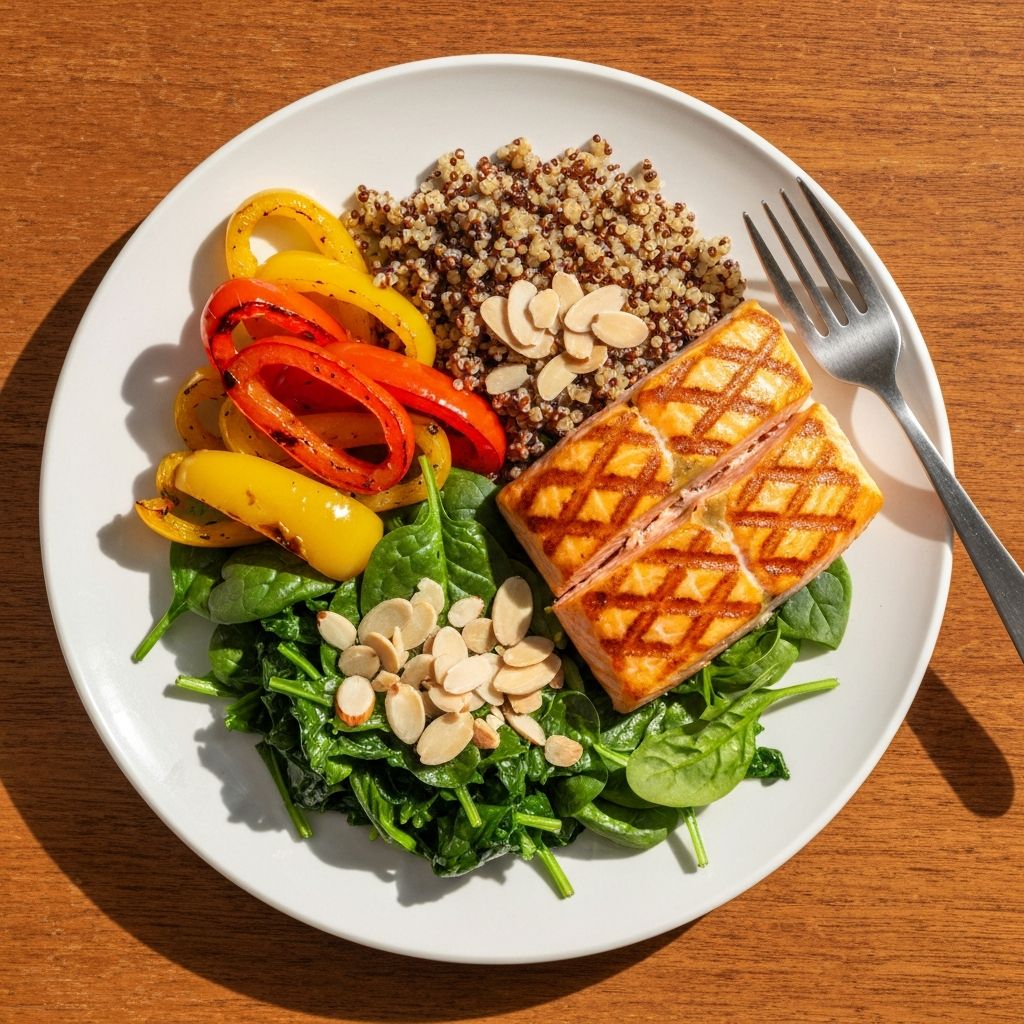
Visual representation of balanced plate proportions
Why These Proportions?
These proportions emerge from extensive research and public health evidence worldwide. They reflect the principle that human bodies require diverse nutrients to function optimally:
- Vegetables and fruits are nutrient-dense, providing essential vitamins, minerals, and phytonutrients relative to their caloric content
- Whole grains contain fibre and B vitamins, supporting digestive and metabolic health
- Protein sources vary globally—from legumes and nuts to fish and poultry—reflecting cultural diversity
- Healthy fats support brain function, hormone production, and the absorption of fat-soluble vitamins
Cultural and Individual Variation
The balanced plate concept acknowledges that while the proportions remain consistent, the specific foods filling each section vary dramatically across cultures and individual preferences.
In Mediterranean countries, olive oil and fish feature prominently. In Asian cuisines, rice or noodles serve as carbohydrate bases with diverse vegetable accompaniments. In African traditions, millet or sorghum provide the grain component. The principle of variety and proportion transcends specific food choices.
How It Translates to Meals
A balanced meal does not require special preparation. Examples include:
- Grilled chicken with roasted broccoli and sweet potato
- Lentil curry with brown rice and spinach
- Baked salmon with quinoa and roasted vegetables
- Bean and vegetable stir-fry with wholemeal noodles
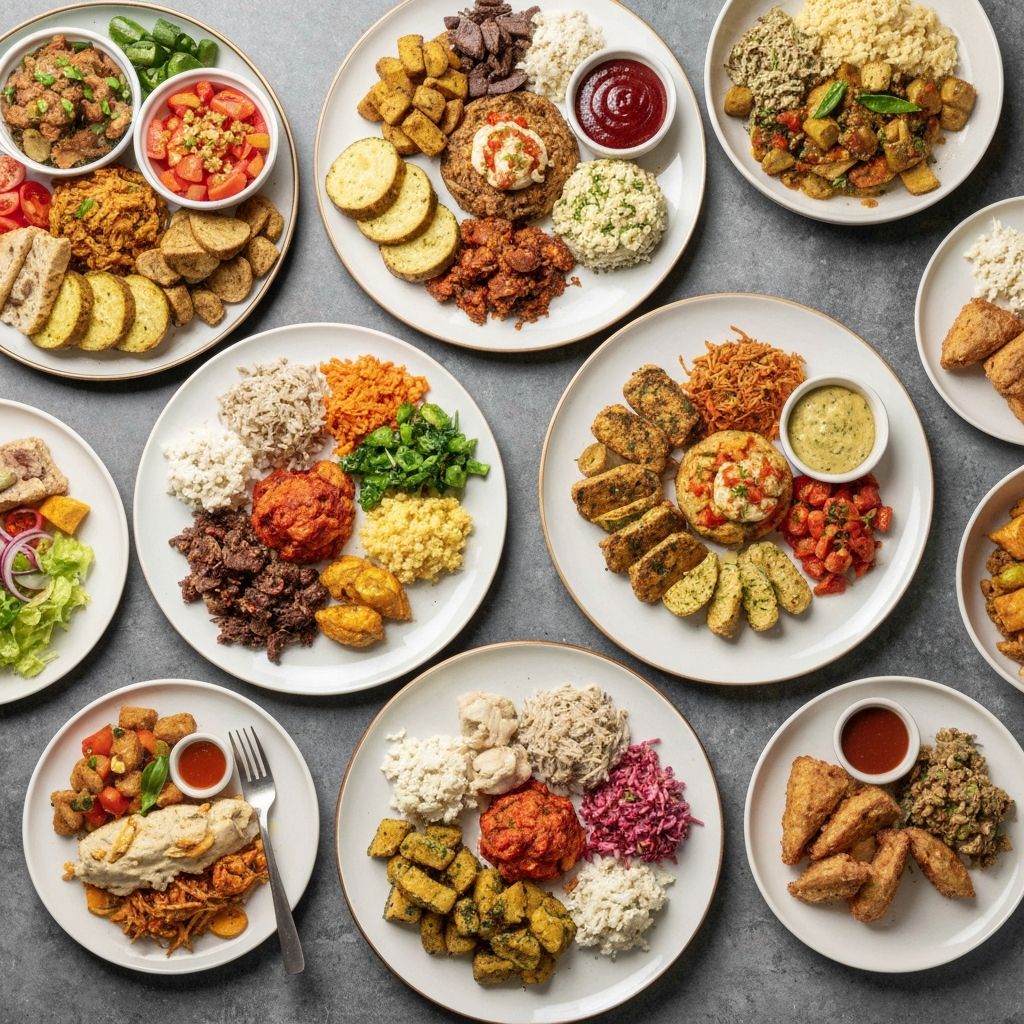
Balance looks different across cuisines and preferences
Why It Matters
The balanced plate approach supports overall health by ensuring that meals contain varied nutrients. Rather than focusing on single foods or restriction, it emphasises inclusion and variety. Research consistently shows that this pattern supports stable energy levels, sustained satiety, and comprehensive nutrient intake.
The concept applies to individuals across different life stages, activity levels, and health situations, though the absolute quantities may vary based on individual needs.